Thinking about becoming a freelancer in the UK? 2026 could be the year to finally give it a go.

If you have the skills and experience that can help businesses solve real problems, 2026 could be the year to finally give it a go. You might have been thinking about freelancing for months. Maybe you have a skill people keep asking you for. Maybe you've spent years working in design, marketing, development, finance, engineering, photography, writing or another specialist field and have started wondering whether you could do it for yourself. Or maybe you already have a full-time job and are considering taking on a few freelance projects on the side.
Whatever your situation, the UK freelance market is already significant. The latest Office for National Statistics figures estimate around 4.57 million self-employed people in the UK in February to April 2026, compared with around 4.40 million a year earlier.
That's a lot of people building careers on their own terms. But numbers aren't the only reason to consider freelancing in 2026. The bigger opportunity is the changing way businesses work.
One of the biggest changes we've seen is the way businesses think about hiring. A company might not need another full-time employee. It might need a really good designer for three weeks. It might need a developer to sort out a problem that has been sitting on the backlog for six months. It might need someone to build a new website, create a campaign, edit a load of video or help automate a process.
Hiring a permanent employee for every problem doesn't always make sense. Sometimes you just need someone who knows what they're doing.
That's where freelancers can be incredibly valuable. For businesses, it can mean bringing in specialist knowledge when they need it. For freelancers, it means being able to build a career around the things they're actually good at, rather than waiting for someone to create the perfect job description.
This is something I think gets overlooked when people talk about starting freelancing. You don't have to go all in from day one. You can start with one client, perhaps one evening a week, a weekend project or a small job for someone you already know, and use that experience to see whether freelancing is actually right for you before making any major decisions about your career.
If you already have a job, though, always check your employment contract and speak to your employer before taking on freelance work. Some employers have rules around secondary employment, conflicts of interest, working for competitors, confidentiality or using company equipment and time. It's much better to understand those rules before you start.
Maybe you'll discover that you love freelancing. Maybe you'll realise that dealing with clients isn't for you. Both are useful things to learn. For some people, freelancing becomes a full-time career; for others, it becomes a useful source of additional income, and for some it eventually grows into an agency or business of their own.
There isn't really a right way to do it. You just need to find the way that works for you.
One of the biggest mistakes people make when they start freelancing is assuming they have to become someone completely different. You don't. If you've spent five years working in marketing, you've already built skills that a business might be willing to pay for. If you've spent ten years in design, you've got a decade of experience that someone else might need. The same goes for IT, engineering, finance, sales, architecture, development and countless other professions. You probably know more than you realise, and there are businesses out there looking for exactly that experience.
You also don't need to suddenly become a "personal brand" or spend your evenings making TikToks explaining how you became a six-figure freelancer. You just need to be good at something useful and find people who need that thing done.
Starting a freelance business in 2026 is also very different from starting one a few years ago. AI has completely changed the tools available to individuals, allowing freelancers to research, create, automate repetitive work, generate ideas, analyse information and build things much faster than before. In some cases, one person can now do work that might previously have required an entire team.
But that doesn't mean experience has suddenly become less valuable. If anything, I think it makes genuine expertise even more important. Businesses don't simply need someone who knows how to open ChatGPT. They need someone who understands the problem they're trying to solve and knows how to use the technology properly to solve it. The freelancers who can combine real experience with new technology are going to be incredibly useful, and that creates plenty of opportunities for people who are willing to keep learning.

Another reason freelancing is attractive is that, for many types of work, your location matters far less than it used to. You could be sitting in Bristol working with a company in London, a freelancer in Manchester could be working with a startup in Edinburgh, or someone in Plymouth could be working with a client in Leeds. If your work can be delivered online, your potential market suddenly becomes much bigger than the businesses within a 30-minute drive of your house.
Of course, not every freelance job is remote and plenty of work still needs to be done in person. But for digital and professional services, the possibilities are considerably wider than they used to be.

I think this is probably one of the biggest barriers to starting. People convince themselves they need the perfect website, a huge portfolio, thousands of followers, a company name, a logo and a detailed five-year plan before they can call themselves a freelancer. You don't.
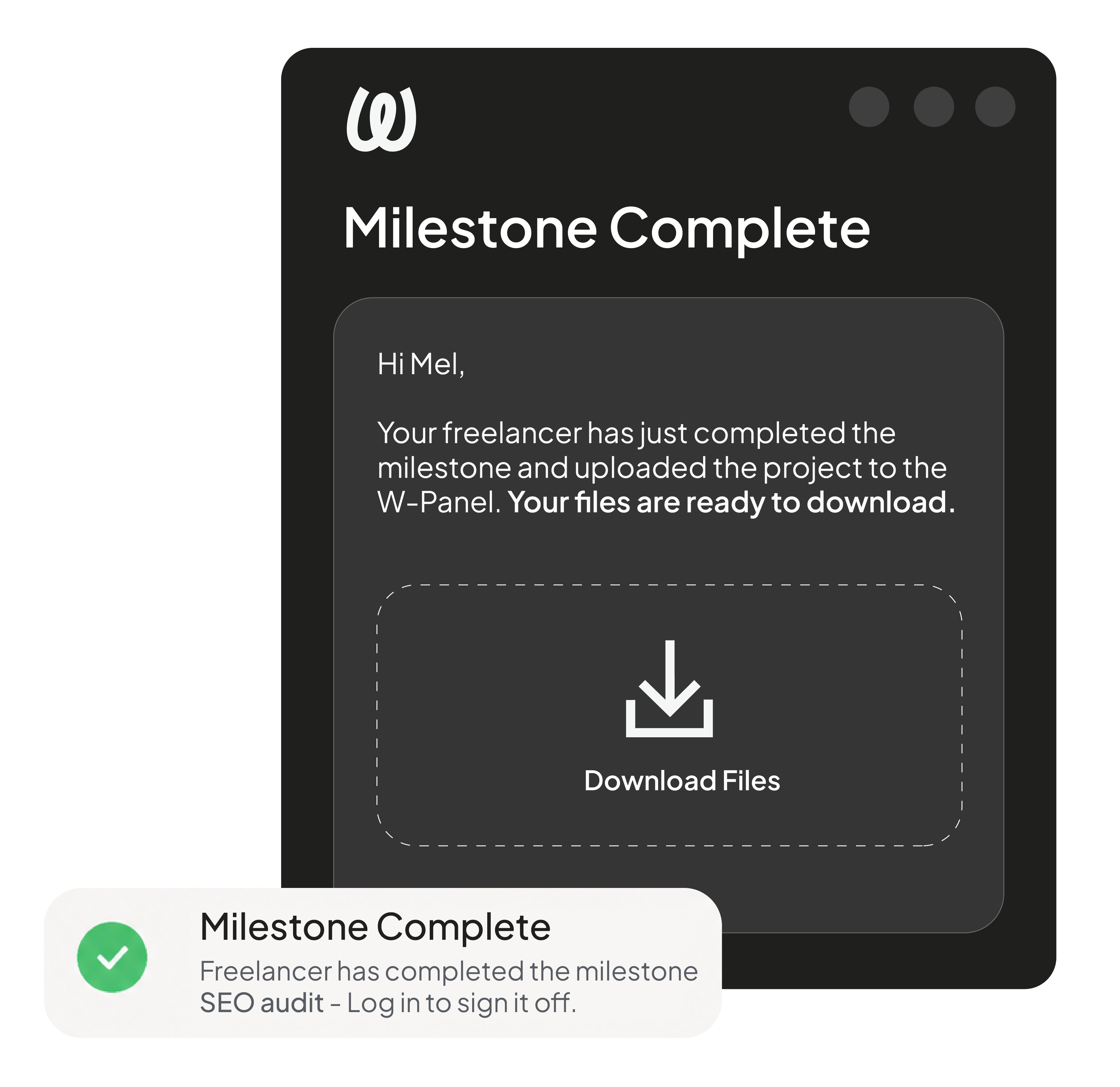
What you really need is a skill you're confident in, a clear idea of what you can offer and a way to find people who need it. Freelance platforms like Wootly can make starting a little easier. Instead of having to build everything from scratch, you can create your profile, showcase your skills and services, and find projects from clients looking for exactly the kind of work you do. Every freelancer is ID verified. Once you've found the right project, Wootly gives you the tools to manage the work from one place, including messaging, deliverables, milestones and project updates, while handling the practical side of payments, invoices and payouts too.
You can start with one project, learn from it, build your reputation and take things from there. You don't need to spend six months building the perfect freelance business before you've even found your first client. Start with what you know, find someone who needs it, do a good job and build from there.
Because work is changing, businesses are changing and the tools available to individuals are changing incredibly quickly. There are millions of people in the UK already working for themselves, and businesses can increasingly bring in specialist skills without having to build an entire team around them. At the same time, technology is making it possible for one person to do more than ever before.
That doesn't make freelancing easy. It makes it interesting.
If you've been sitting there thinking, "I wonder if I could actually do this?", maybe 2026 is the year you stop wondering. You don't have to quit your job, you don't have to become an entrepreneur and you don't even have to call yourself a freelancer yet. Just find one thing you're good at and see if someone is willing to pay you for it.
That's where it starts. And who knows where it goes from there.