To help you decide, we've compared five of the leading freelance platforms available to UK freelancers in 2026.

The freelance industry has changed dramatically over the last few years. More businesses are choosing to hire independent professionals, and more people than ever are building careers around freelancing. But with so many platforms available, choosing where to find work can be overwhelming.
Some marketplaces focus on global opportunities, others specialise in creative industries, and some are designed specifically for UK freelancers. Each has its own strengths, pricing model and way of connecting clients with talent.
To help you decide, we've compared five of the leading freelance platforms available to UK freelancers in 2026. We looked at what each platform offers, who it's best suited to and the features that matter most, including fees, trust, payment protection and overall user experience.

Best for: UK freelancers looking for a marketplace focused on trust, transparency and smartmatching.
Wootly is a UK-focused freelancer marketplace designed to make hiring and freelancing feel more secure for everyone involved. Rather than focusing purely on volume, the platform has been built around trust, ID verified users and transparent pricing.
Freelancers can create service listings, apply for projects and build detailed professional profiles, while clients benefit from identity verification, secure escrow payments and clear communication throughout every project.
One of Wootly's biggest strengths is its focus on quality over quantity. Instead of trying to become the largest marketplace overnight, it aims to create an environment where businesses can confidently hire skilled freelancers and know exactly who they are working with, rather than hoping their profiles are who they say they are.
Best for: Freelancers looking for access to a large international client base.
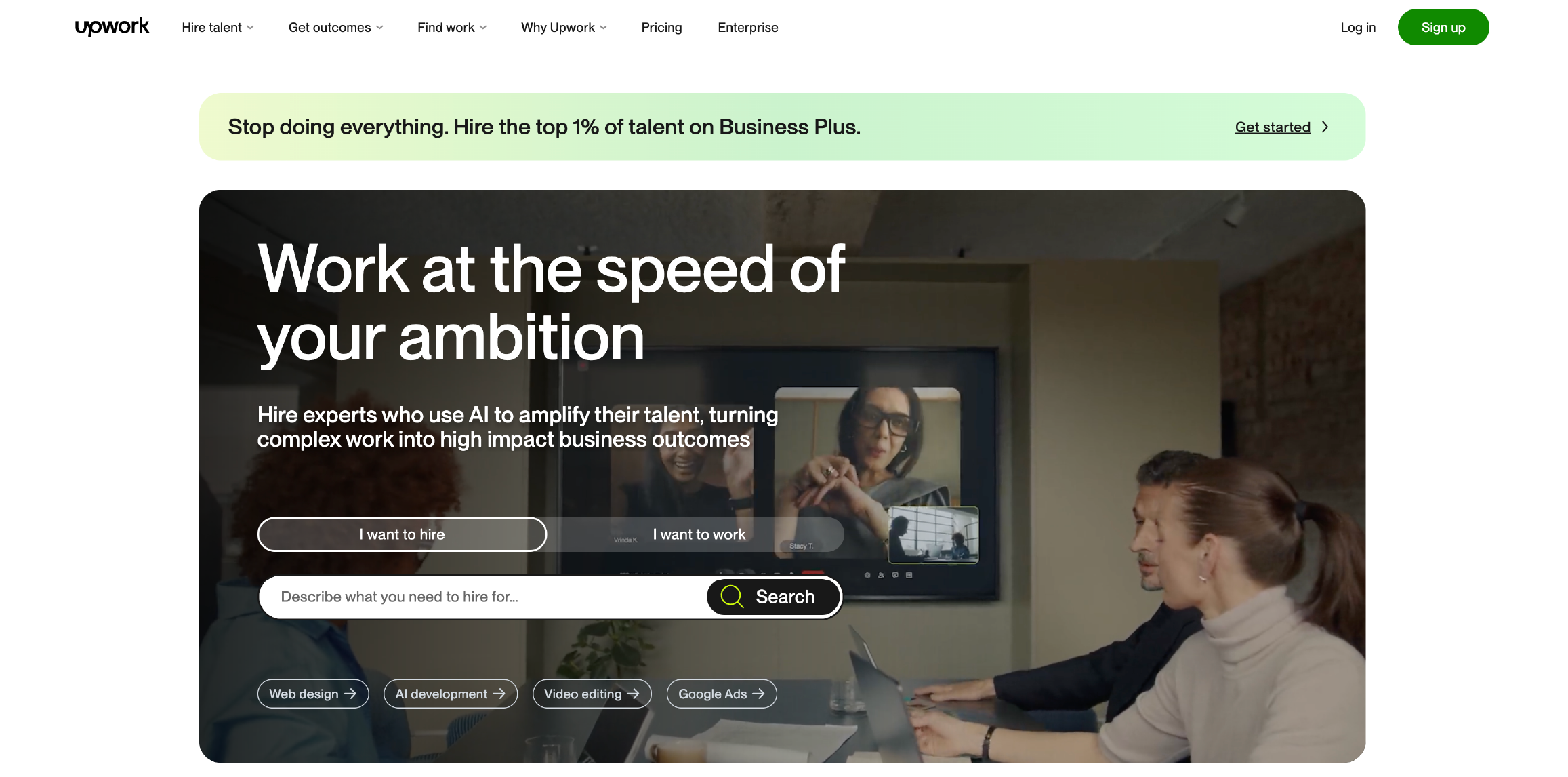
Upwork remains one of the world's largest freelance marketplaces and continues to be a popular choice for UK freelancers working with international businesses.
The platform offers opportunities across almost every industry, from software development and marketing to customer support, writing and finance. Freelancers can apply for projects or receive invitations from clients searching for specific skills.
Its size is both its biggest advantage and one of its biggest challenges. While there is a huge volume of work available, competition can also be intense, particularly for newer freelancers building their reputation.
Best for: UK freelancers working with small businesses and startups.
Founded in the UK, PeoplePerHour has built a strong reputation among freelancers looking for local clients.
The platform combines fixed-price services with traditional project listings, allowing freelancers to offer pre-packaged services while also bidding on bespoke work.
PeoplePerHour continues to attract many UK-based businesses, making it a good option for freelancers who prefer working with clients closer to home.

Best for: Creative freelancers.
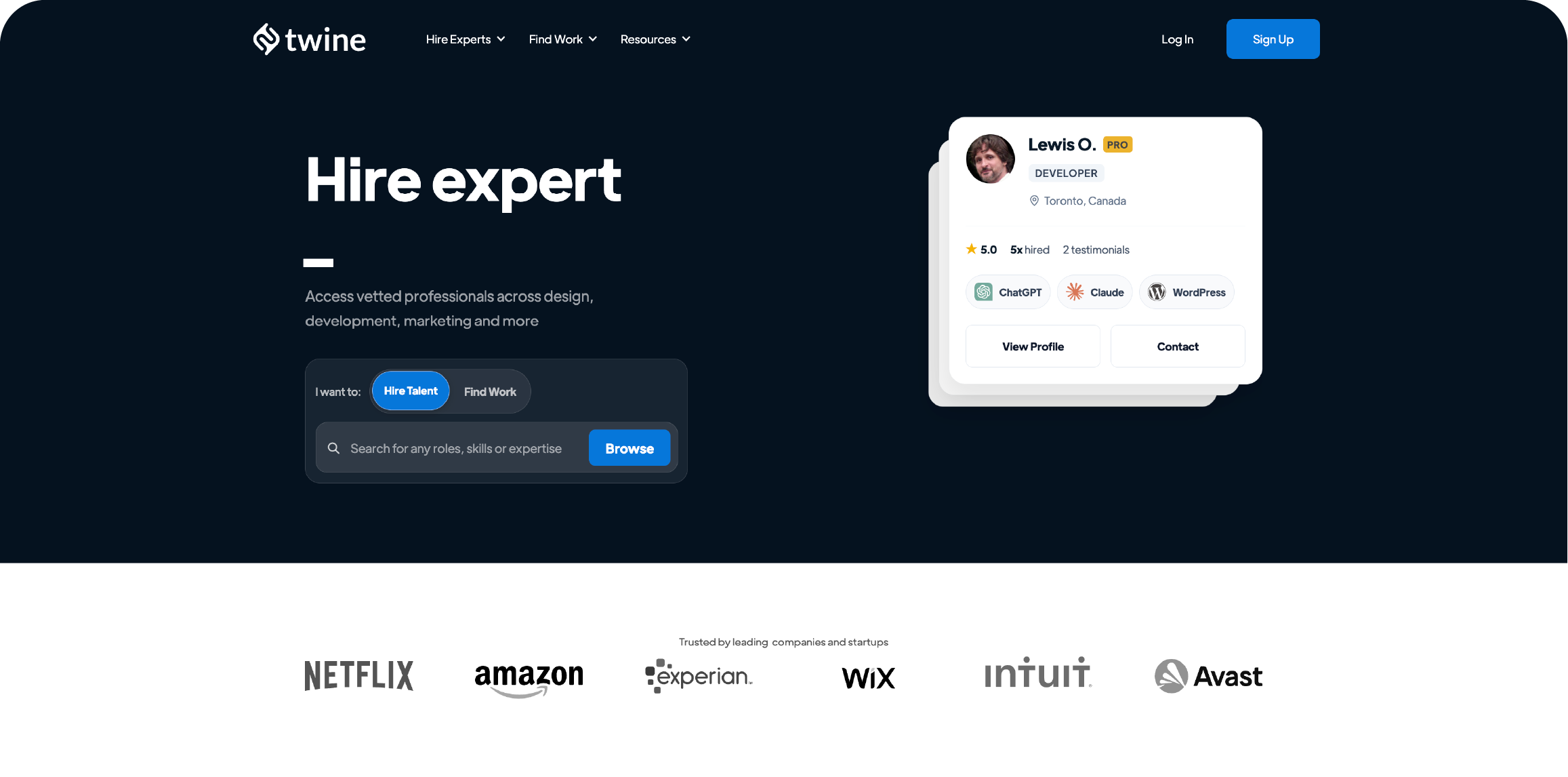
Twine focuses on connecting businesses with creative professionals, including graphic designers, animators, musicians, video editors, illustrators and digital artists.
Rather than trying to serve every profession, Twine has developed a niche within the creative industry. This makes it an attractive option for freelancers with specialist creative skills looking to work on branding, content and multimedia projects.
Best for: Experienced consultants and independent professionals.
Malt has grown significantly across Europe and has expanded its presence within the UK freelance market. The platform is particularly popular with experienced consultants, developers, product specialists and marketing professionals.
Many of the opportunities available on Malt are aimed at established freelancers with several years of commercial experience.

Choosing the right platform depends on the type of work you're looking for and the clients you want to attract.
The best freelance platforms aren't simply those with the most users. They're the ones that help freelancers build sustainable careers while giving clients confidence when hiring.
When comparing platforms, consider:
These factors often have a bigger impact on your freelance success than the number of projects listed on the homepage.
Each platform featured in this guide has something different to offer.
Upwork remains one of the largest freelance marketplaces in the world, making it a solid choice for freelancers looking to work internationally. PeoplePerHour continues to be a popular option for UK freelancers, particularly those working with small businesses. Twine has built a strong reputation within the creative industry, while Malt UK provides excellent opportunities for experienced consultants and specialists.
For freelancers looking for a modern UK-focused platform that prioritises verified users, transparent pricing, secure payments and building long-term client relationships, Wootly stands out as our top choice and one to watch for 2026.
As the freelance industry continues to evolve, trust is becoming just as important as talent. Platforms that make it easier for businesses to hire with confidence and for freelancers to build lasting client relationships are likely to shape the future of freelancing and Wootly is one of the platforms leading that change.